Intro (00:00):
Welcome to The Taylor Ten. A fast-paced, 10 minute deep dive into the minds of those shaking up the marketing world, bringing you the sharpest insights, boldest ideas and breakthrough trends driving the industry forward. So tune in, get inspired, and stay ahead.
Sherdell (00:17):
Hi, I'm Sherdell Baker. Welcome back to another Taylor Ten episode. Today we are joined by influencer marketing expert and brand storyteller, Giselle Huasipoma. Her experience in influencer marketing and social media strategy has led her to her current role in the global influencer partnership space and what better topic to talk about than the future of the influencer space. Giselle, thank you so much for joining me today.
Giselle (00:37):
I'm excited to be here.
Sherdell (00:38):
So to kick things off, I wanted to start off with your personal perspective on where you feel that the influencer space is right now. Over the past couple of months, we've seen a lot throughout 2025 shifts in content niches, micro influencers getting more traction and Gen Z being tapped for more and more as they continue to grow in age. So what do you personally make of these changes? And even as we prepare for 2026, how do you see things shifting?
Giselle (01:00):
Yeah, I feel like I've been seeing a very large shift, especially in the past two to three years within community marketing versus gearing towards mega or celebrity influencers. I feel like a lot of different brands, no matter if you're in the beauty space or fashion food and Bev tech have been really centered on giving back to their community and doing that in different ways, like taking community brand trips or gifting their audiences versus just flying out influencers left and right to very expensive trips that they don't need to take looking more inward versus I guess just the glamorization of influencer marketing.
Sherdell (01:43):
Yeah, for sure. I agree. I think they're definitely, the growth in it kind of makes people take a step back away from a brand maybe and focus more than influencer over maybe what the product or what they're looking to promote. So I agree with that. When it comes to Gen Z marketing in particular, where do you feel that this type of marketing and maybe influencer marketing blend, or do you believe that they coexist in some way?
Giselle (02:04):
I think they coexist. I feel like with all the experience that I've had working with brands directly, everyone has been trying to attract Gen Z in some sort of way, whether it's to get them out to their events or to literally just have them look at their product and pay attention to them. And no matter what kind of brand you are, you're working with Gen Z is definitely at the core of that. I believe now the spending power is probably up to 6.5 billion today for Gen Zers across the globe. So it's very intense and I think it goes hand in hand with Gen Zers and influencers, not only because people in a sense want to become an influencer, are also just creating content in general. I think that's another mix that people don't really talk about as often. The difference between a content creator and an influencer, and I would say a very large chunk of Gen Z are content creators, whether they're actively trying to make money off of it and make it their career, or if they're literally just sharing content to share with their friends and family, there definitely is an overlap between the two.
Sherdell (03:11):
If you could just speak more to the differences in content creators and influencers.
Giselle (03:16):
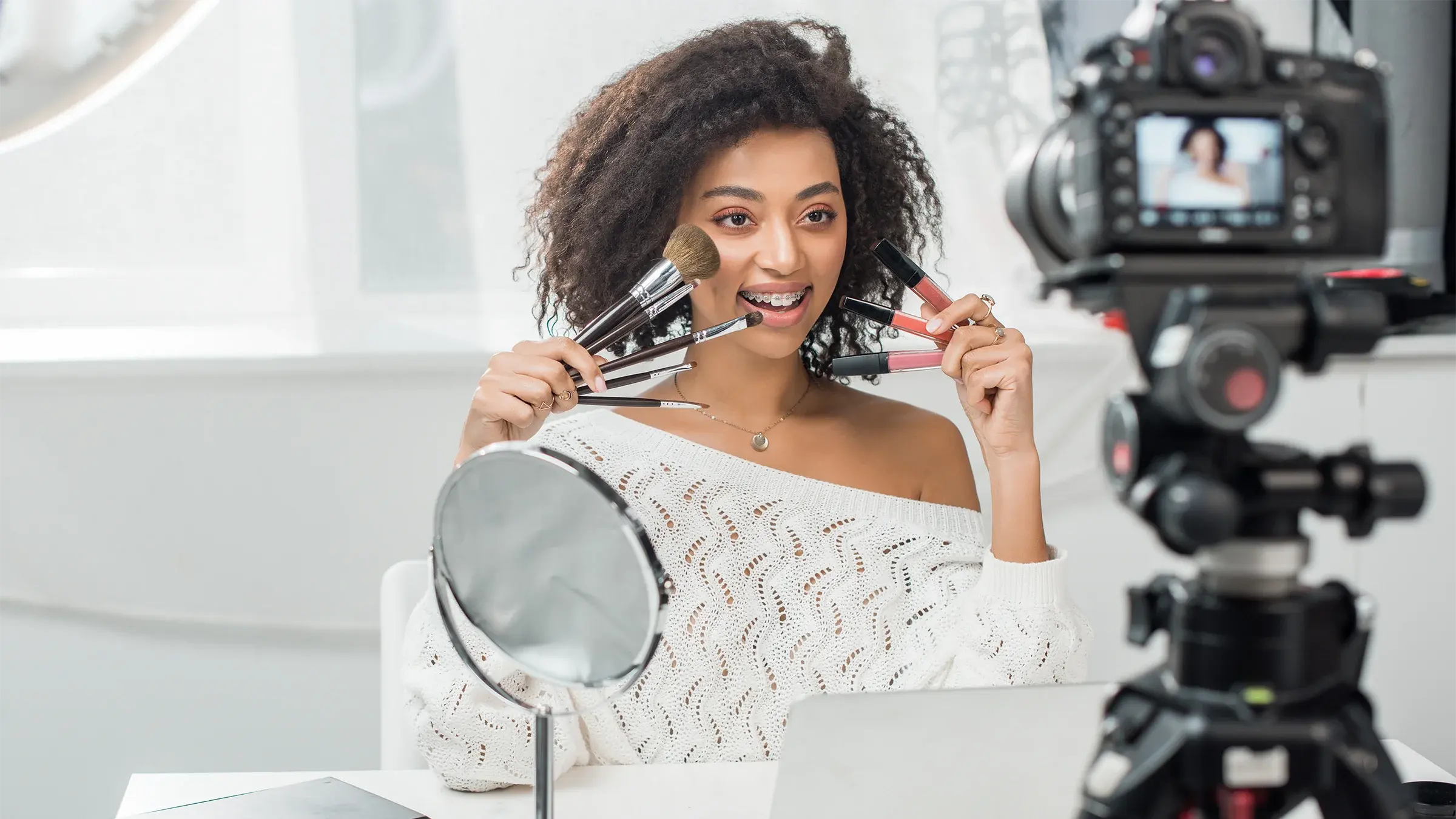
My introduction to content creators was during my college years. That's when I was like, oh, I would see myself and maybe even my friend who likes to post a lot about being a vet, for example, she just likes to blog her days of just being a vet. I like to blog my days of just me working in fashion, me also being a professor versus actively pursuing a career and influencing people to buy certain things. I'm not posting links left and right on my stories. I'm not sitting there and doing product placements on reels or on tiktoks. I think that's the very big difference between an influencer and a content creator. A content creator is more in it for the behind the scenes of putting things together, like editing photos or putting together a really fun reel or a TikTok video versus an influencer may have those skills and do those things and enjoy those things, but their main motive is to monetize off of their content.
Sherdell (04:14):
Are there any metrics that you believe matter beyond likes and impressions when it comes to the success of influencer campaigns?
Giselle (04:19):
I think just engagement rate in general. I think that looking at the engagement rate of a profile on either Instagram or TikTok, my usual basis of Instagram is a three to 3.5% for an Instagram profile and then for a TikTok profile, I look at about five to 6% for each of those profiles just because I want to see if this person that I may or may not work with has an audience that actually cares about them and is actually listening to them and is taking into consideration what they're saying and how much purchasing power they really have at the end of the day. Right? When you are a brand on the brand side or on the agency side, you look at these influencers, obviously as human beings, at the end of the day, they are getting paid, this is their livelihood. But on the business aspect, it's also like, can you generate money for us too? It's kind of like a hand in hand partnership to get everything done basically at the end of the day. So I would say yes, it is kind of like a push and pull, but that's kind of I guess the game of rolling the dice.
Sherdell (05:23):
For sure. Going back to speaking on Gen Z a bit more, I know that a lot of the generation, I guess we're also part of it, but in being Gen Z, I know a lot of what we seek from brands is authenticity. So is there anything that you feel like brands may get wrong as they approach authenticity within their campaigns?
Giselle (05:40):
Yeah, I feel like the first thing I think of is when you're trying too hard and that immediately turns Gen Z off and you're like, oh, this is weird and cringey, and oh, it looks like somebody who's not even Gen Z is doing this because they did research and inputted a trend that's like three, four months old into this campaign today. It's just falling flat. My big thing when brands ask me this, I'm like, just have Gen Z in the room. Just have Gen Z in the room, and maybe you may not even trust them to run the campaign from front to end. If you have those trust issues, fine. I totally understand giving up your socials and your passwords to maybe a 21-year-old freshly out of college, fine. But I highly advise to have Gen Z, at least as a pulse check. Maybe you run the entire campaign yourself and you hand it off to the genzer for first impressions before things go live, because I feel like there's been so many times where campaigns go live and the comment section is just honestly just people flaming the brand. It's so bad. Just like coming for them and being like, who thought of this idea? It's really itchy, and that's the last thing you want to do.
Sherdell (06:56):
It's so easy to have a misstep, especially when Gen Z isn't in the room as you're trying to just seek things out on social media and maybe going based upon what numbers may be telling you over what's beyond the numbers. What do you believe brands should stop doing if they want to stay relevant to Gen Z?
Giselle (07:10):
Sometimes things are literally just based off vibes, just a gut check of what is happening culturally in the world, what is happening in music, what is happening in sports, what is happening in movies and television, entertainment? What is happening out there that people are paying attention to that you can tap into versus these are the numbers of last quarter, let's keep following it and hope it goes well. It's like what happened yesterday is not going to be successful tomorrow. It's never like that, and I think that's something that a lot of people who at least have been in this industry for years, and influencer marketing is still pretty new. I would say the person I know long as in this industry is just a decade. Anything longer than that, it's just not real. So even people that have been in this industry for a long time need to know that things are moving so quickly you can't use the same strategy you used last year or even a couple months ago anymore.
Sherdell (08:03):
Yeah, it's constantly evolving, constantly shifting. I think to that point, having Gen Z in the room helps to stay current on those trends, helps you to stay abreast to what's going on. You can't necessarily see everything yourself. You can't even go through a full feed worth, honestly, to catch everything. And just parting words before we wrap things up, what is your advice to brands who are looking to partner with more Gen Z influencers?
Giselle (08:28):
Tap the colleges, go and tap into the college and the university space. I feel like content creators that evolve into influencers are usually budding in the college space. That is such a huge untapped market. I probably only know a handful of brands off the top of my head that have really successfully worked with college students and successfully still are working with college students years after I graduated, what, four or five years ago now. And even then I was like, wow, it's so cool that these brands are paying attention to me and giving me free PR, and I'm getting to post about these things. And a lot of that, it starts with those smaller content creators that end up butting into influencers. And that is the number one thing that you want to do in influencer marketing is really starting a relationship from the ground up. And the only way to do that is by tapping into the young audiences like Gen Z.
Sherdell (09:25):
Thank you so much again for joining me today, Giselle. Thank you to everyone who may be listening.



.png)

.jpg)
.jpg)

.jpg)

.png)
.png)
.jpg)
